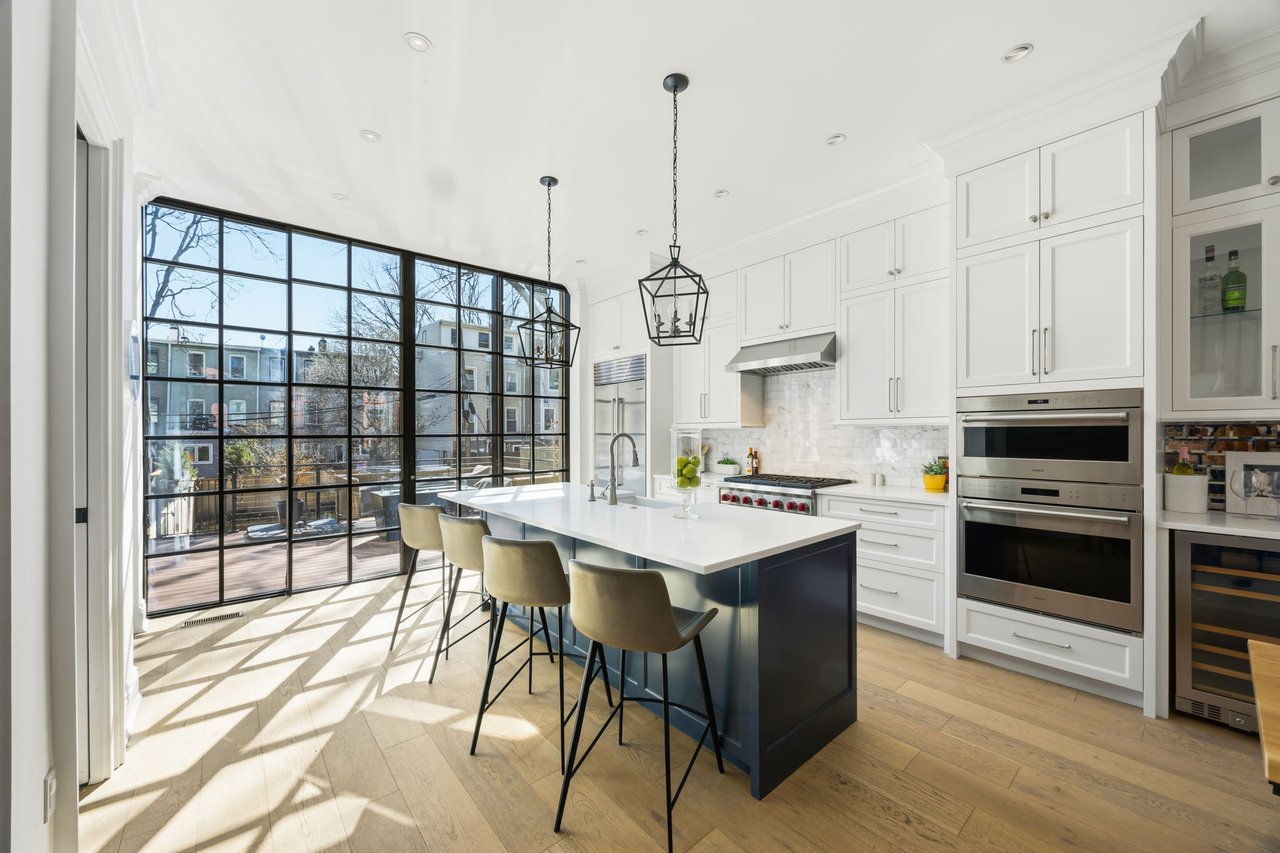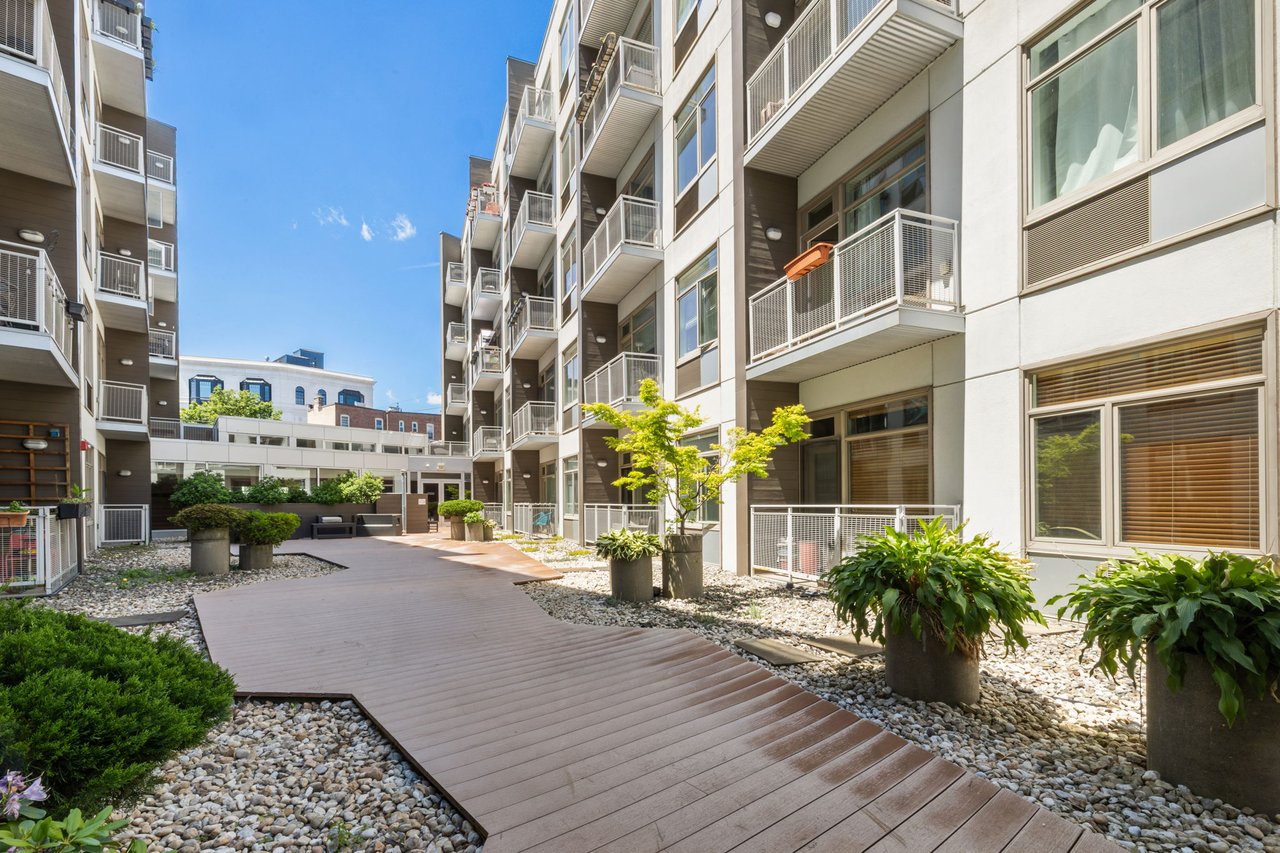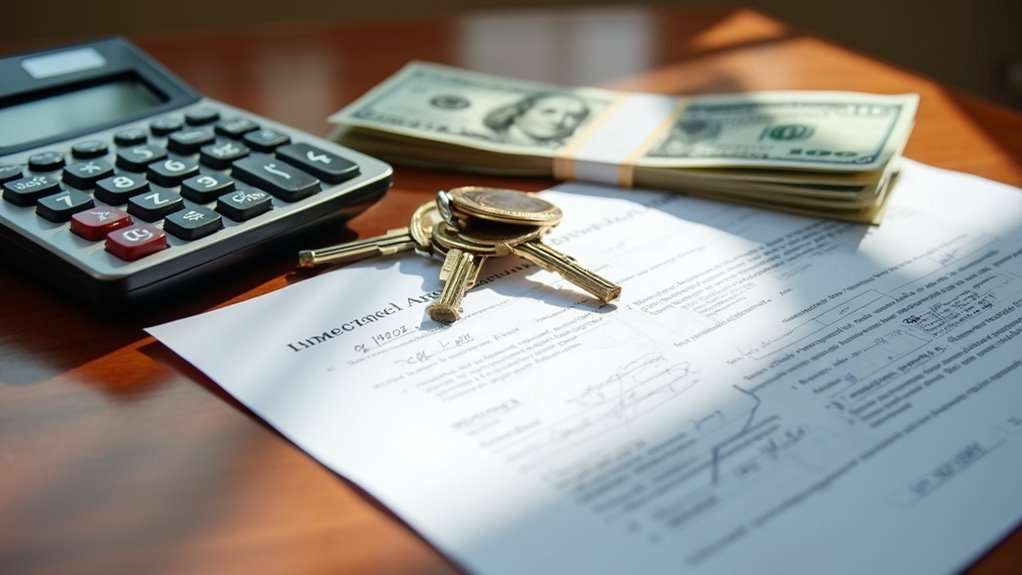
The question that matters most isn't "what are the closing costs?" It's "how much will I actually keep?" For most Jersey City sellers in 2026, total selling costs run roughly 7% to 9% of the sale price, but that figure alone won't tell you your take-home number, because your mortgage payoff sits outside it entirely.
This guide answers the take-home question first, then works backward through every major deduction: agent commission, New Jersey transfer fees, attorney and title charges, condo or HOA costs, your mortgage payoff, and any negotiated concessions. Jersey City carries heavy inventory near and above the $1 million mark, where New Jersey's post-July-2025 rules bite hardest, so we use real local price tiers and current official rates, not a national percentage. The goal is the one Patrick Southern focuses on with every seller: maximizing net proceeds after preparation, pricing, marketing, and negotiation.
How Much Will a Jersey City Seller Actually Keep in 2026?
Total selling costs in Jersey City usually land between roughly 7% and 9% of the sale price once you combine agent commission, New Jersey transfer fees, and standard closing charges. On a home selling near the current median, that's a meaningful sum. Recent data puts the Jersey City median sale price around $728,000 for all home types, with condos near $724,000 as of mid-2026.
The raw percentage misleads at higher price points. Some costs scale with price; others don't. Attorney and recording fees stay roughly flat whether your home sells for $600,000 or $1.2 million, so they shrink as a share of a larger sale. New Jersey's transfer fee, by contrast, climbs faster than price once you cross $1 million.
More important: selling costs are only part of the story. What you keep depends heavily on your mortgage payoff, which isn't a selling cost at all. Two owners selling identical units at the same price can walk away with very different amounts, purely because of how much they still owe.
Selling Costs vs. Net Proceeds: The Distinction That Trips Sellers Up
Closing costs and net proceeds are two different numbers, and confusing them causes surprises at the table. Closing costs are the fees and taxes tied to the transaction: commission, transfer fees, attorney, title, and recording charges. Net proceeds are what remains after both those costs and your remaining debt are subtracted.
The mortgage payoff causes the most confusion. It isn't a selling cost. You're simply repaying money you already borrowed. It reduces your net proceedings, but it doesn't belong in the 7% to 9% estimate. Treating your payoff as a "cost" understates your true equity.
Keep this formula in view as every section below fills in a piece of it:
Net Proceeds = Sale Price − Selling Costs − Mortgage Payoff − Prorations
What Jersey City Sellers Decide About Commission in 2026
Commission is usually the single largest deduction, and the rules changed after the National Association of Realtors settlement took effect on August 17, 2024. Under the old system, sellers typically paid a total commission of 5% to 6%, split between the listing agent and the buyer's agent. That default no longer exists.
Two changes matter most for Jersey City sellers:
Compensation is off the MLS. Offers of compensation to buyer's agents can no longer be published on the MLS, though they can still be negotiated off-MLS.
Buyers sign agreements first. Buyers must now sign a written agreement with their agent before touring a home.
The result: you're no longer automatically responsible for the buyer's agent. Whether you contribute is now a negotiated deal term, often raised inside an offer.
Here's where the instinct to slash commission can backfire. Declining any buyer-agent compensation can narrow your buyer pool; a well-structured offer can widen it. Patrick Southern treats commission as a lever on the top line, not just the cost line. Spent strategically, it can attract more competitive offers and lift the final sale price by more than the amount contributed.
The New Jersey Realty Transfer Fee and the $1M+ Rule for Jersey City Sellers
The New Jersey Realty Transfer Fee (RTF) is a mandatory government charge, and the seller pays it. It's not a flat percentage. It's calculated on a graduated per-$500 basis on the consideration, generally the sale price.
Because the top tier applies to most of a Jersey City sale price, the RTF alone lands near $6,643 on a $725,000 home. Certain sellers qualify for reduced rates on the first $150,000: seniors, blind persons, and persons with a disability selling a one- or two-family home. Not everyone qualifies, so treat the standard schedule as your baseline.
The $1M+ Graduated Fee and Nonresident Considerations in 2026
Effective July 10, 2025, New Jersey eliminated the buyer-paid 1% "mansion tax" on new contracts and replaced it with a seller-paid Graduated Percent Fee on qualifying residential property over $1 million.
On a $1.3 million condo, that adds roughly $13,000 on top of the ordinary RTF. Note the cliff at exactly $1,000,000: a sale a dollar over the line triggers the fee, so owners near the threshold should plan carefully.
Nonresident sellers face one more step. Under N.J.S.A. 54A:8-8 to 8-10, they pay estimated Gross Income Tax at closing of at least 2% of the sale price, even with no gain, filing form GIT/REP-1. Overpayments are recoverable later. This is separate from the RTF.
Attorney, Title, and Condo/HOA Deductions on the Closing Statement
Beyond commission and transfer fees, expect these standard Jersey City line items:
Attorney fees: approximately $1,500 to $2,000 in Hudson County for a standard sale; more for complex deals.
Title settlement fee: around $250 to $300.
Recording and mortgage satisfaction: a few hundred dollars, plus a $75 fee per mortgage satisfied.
Prorated property taxes: you cover the portion of the tax period you owned the home; this appears as a credit or charge depending on payment timing.
In Hudson County, most residential transactions run through attorney review, with both sides typically having counsel.
Condo and HOA Charges Unique to Jersey City Inventory
Jersey City's dense condo inventory adds deductions national guides miss. If your unit sits in a condo or HOA-governed building, the association issues a resale certificate confirming any unpaid assessments. New Jersey does not set a statutory cap on what associations charge for these documents, so the fee varies by building.
You may also see payoff or administrative fees, plus any outstanding dues or special assessments cleared at closing. Sort every cost into three buckets:
Fixed: attorney, title, recording, roughly constant regardless of price.
Scaling: commission and transfer fees, which rise with sale price.
Negotiable/optional: buyer-agent compensation, staging, repairs, concessions.
Not every seller pays every fee. Separating mandatory government charges from optional spending is the first step to an accurate estimate.
From Sale Price to Cash-in-Hand: Jersey City Scenario Ledgers
These illustrative ledgers assume a 5% total commission and an $1,800 attorney/title figure. They're estimates, not quotes.
Two lessons stand out. First, the $950,000 sale stays just under $1 million and pays no Graduated Percent Fee, saving roughly $10,000 versus a sale a dollar over the line. Second, the mortgage payoff dominates the final number. Change the $1.3M seller's payoff from $700,000 to $200,000, and their take-home jumps by half a million.
Do You Owe Capital Gains Tax on the Sale?
Capital gains tax is separate from closing costs, which is why it stays out of the 7% to 9% estimate. Under IRC Section 121, if the home was your primary residence for at least two of the last five years, you can generally exclude up to $250,000 of gain if single, or $500,000 if married filing jointly.
Many Jersey City owners fall within those limits and owe no federal capital gains tax at all. Gains above the exclusion, or non-primary residences, may be taxable. Confirm your situation with a tax professional rather than folding it into your cost percentage.
Maximizing Net Proceeds: Pre-Listing Prep, Pricing, and ROI
Cutting costs is half the equation. The larger half is lifting the sale price by more than you spend preparing the home, and not all spending does that. Targeted improvements tend to pay off; large renovations near a sale usually don't.
Spending that typically earns its cost back in Jersey City's condo market:
Fresh paint and updated lighting
Minor cosmetic repairs
Decluttering and staging
The way to decide is a return-on-investment analysis before any money is spent. This is central to how Patrick Southern advises sellers. He walks the property, assesses condition, flags which repairs and upgrades are likely to pay for themselves, and connects owners with vendors, so you avoid spending on work you won't recover.
Pricing and positioning move net proceeds more than cost-cutting alone. A property priced and marketed to reach the right buyer pool attracts stronger offers, lifting the top line the entire ledger is built on.
Getting a Precise Number for Your Property
The ledgers above are templates, not your result. An accurate estimate needs a property-specific net sheet built from your sale price, current loan balance, condo or HOA charges, transfer-fee tier, and residency status.
To build one, an advisor needs your address and unit type, approximate loan payoff, HOA details, and timeline. From there, Patrick Southern can model your likely net proceeds and advise on the preparation, pricing, and negotiation strategy that maximizes what you keep.
Frequently Asked Questions
Do sellers still pay the buyer's agent commission in Jersey City in 2026? Not automatically. Since August 17, 2024, buyer-agent compensation is a negotiated deal term rather than a default seller obligation. You decide whether to contribute, but cutting it can shrink your buyer pool and depress your final price.
Who pays the New Jersey Realty Transfer Fee? The seller. It's graduated on a per-$500 basis, landing near $6,600 on a $725,000 home.
What happens on sales over $1 million? Since July 10, 2025, a seller-paid Graduated Percent Fee applies: 1% between $1M and $2M, rising in higher bands. It replaced the old buyer-paid mansion tax.
Should I price just under $1 million to avoid the new fee? Sometimes, but not always. A sale at $999,000 dodges roughly $10,000, yet pricing under the threshold can leave money on the table if buyers would pay more. It's a judgment call worth modeling with a local advisor.
Do nonresident sellers pay extra tax at closing? Yes. Nonresidents pay estimated Gross Income Tax of at least 2% of the sale price at closing (form GIT/REP-1), recoverable later if overpaid.
The Number That Actually Matters
The real question when selling in Jersey City in 2026 isn't what the closing costs are. It's how much you keep. Working backward from sale price through commission, the Realty Transfer Fee, the Graduated Percent Fee above $1 million, attorney and title charges, condo or HOA costs, and your mortgage payoff gives you a net-proceeds figure you can trust.
Mandatory government charges are fixed. Commission, prep spending, and pricing strategy are levers you control. That's where an experienced local advisor earns their keep. Patrick Southern of Properties by Southern approaches every sale as a pricing, positioning, and net-proceeds problem, helping Jersey City sellers decide which pre-listing expenses are justified and structuring the sale to maximize what remains at closing.